If you’re a maker, artist, designer, or creative business owner, you’ve probably heard that storytelling for creative businesses on social media is essential for connecting with your audience. Every outlet is encouraging you to “share your story”. In fact, the World Economic Forum reports that “in today’s disruption era, marked by rapid technological change and shifting consumer expectations, storytelling is essential for connecting with the audiences that matter most, including clients, collaborators, and followers. Storytelling doesn’t just capture attention; neuroscience shows it triggers oxytocin, the “trust hormone,” and dopamine, which helps people remember and act on your message.” So if you’re feeling stuck, it’s not because you don’t have stories, it’s because you’re not looking in the right places.
As a brand photographer, video storyteller and strategist, I am in studios and creative spaces all the time. I love working with makers, artists and designers capturing all the beautiful work they create and support their foundational stories to share to the world. But every creative business has two types of stories. Most business owners only share one, leaving the other untapped, and that’s where your most engaging content lives.
1. Foundational Stories: The Pillars of Your Creative Brand
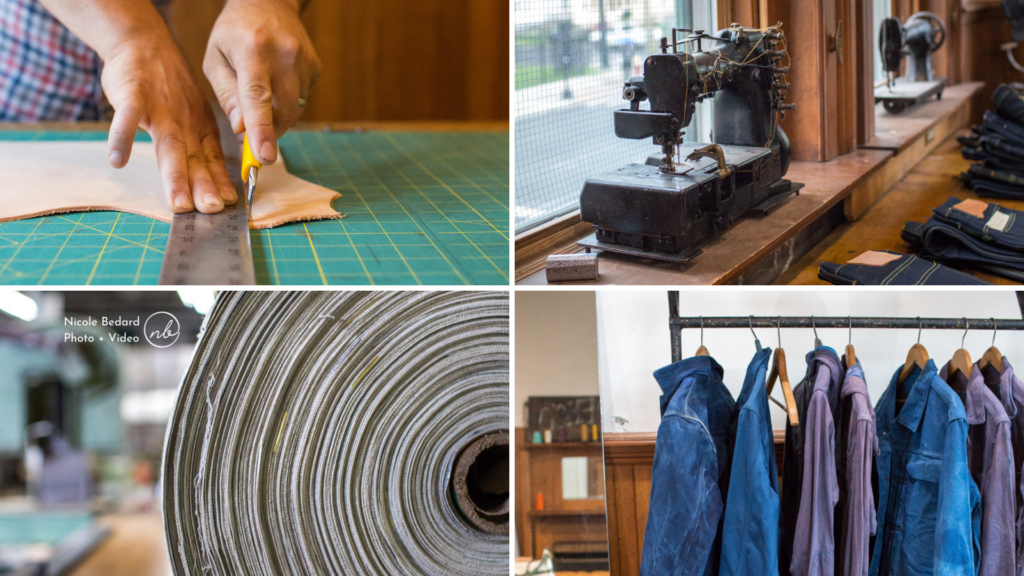
Foundational stories are the core narratives that explain why your business exists. These are your “pillar” stories that build credibility, authority, and trust with your audience.
Some examples include:
- Your origin story – why you started your business
- Your background or training – what sets you apart as a professional
- Unique materials or methods – what makes your process distinctive
- Tools, machinery, and studio space – where your creative vision comes to life
- Philosophy and design approach – your values and vision
These stories are perfect for your website, About page, portfolio, social or press features. They’re important, but they’re static. They should be part of your social media posts as a foundation of the business. Once a month or once a quarter you should be sharing stories around any of these topics.
If you want your audience to feel part of your journey, you need to share the second type of story.
2. Everyday Project Stories: Your Untapped Content Goldmine

This is the type of content that most creative business owners overlook. Every project that enters your studio, workshop, or creative space is already packed with stories waiting to be shared.
Everyday project stories can include:
- A new client or returning client experience
- A unique material, colorway, or design decision
- A construction challenge or creative problem-solving moment
- An exciting collaboration or custom request
- A sourcing, timing, or workflow story
These are the stories that draw people into your creative process and make them feel connected to your brand. While you may see these projects as routine, your audience sees them as insight into how you work and what makes your business truly unique.
Tips on How to Capture Your Stories
Now that you know the two types of stories, it’s time to capture them in a way that’s authentic, simple, and consistent. You don’t need expensive equipment or professional production, just a plan.
You can share the context of the story through a text overlay or voiceover. Pro Tip: If you opt for a voiceover have the captions “on” so your words pop up on screen. Consider half of social media user don’t have the audio on, they won’t know you are speaking unless you have the captions on.
1. Reels / Short Videos
- Film 3-5 second video clips of your process or a specific project moment.
- Focus on one decision, challenge, or detail per clip.
- Use your smartphone, natural light, and your workspace.
2. Carousel Posts
- Break a project into 5–8 slides: the challenge, the process, and the result.
- Include close-ups of materials, tools, or steps.
- Add a sentence or two on each slide to tell the story behind.
3. Direct-to-Camera Clips
- Speak directly to your audience about a project, material choice, or lesson learned.
- Keep it short, conversational, and human—like you’re explaining your process to a friend.
- Batch record several clips in one session for efficiency.
- Have captions “on” so your words pop up, many people don’t view social media with their volume on.
4. Capture in Real Time
- Take photos or video as the project unfolds, not just at the final reveal.
- Look for moments of problem-solving, collaboration, or unexpected creativity.
- These “everyday” project stories are what make your audience feel part of your journey.
Pro tip: Consistency, progress and giving yourself grace for trying something new beats perfection every time.
Why This Matters
Foundational stories = credibility – They tell people why they should care about your work.
Project stories = connection – They show your audience what it’s like to work with you and the care behind your craft.
When you combine both, your social media content, brand storytelling, and marketing materials feel authentic and engaging. Your audience doesn’t just see the finished product, they see the journey behind it.
Ready to Capture Everyday Content, Even If You Don’t Know Where to Start?
If you’ve ever thought:
“I want to share this project I’m working on… but I don’t know how to capture it,”
you’re not alone. That’s exactly why I created Capture Content that Connects.
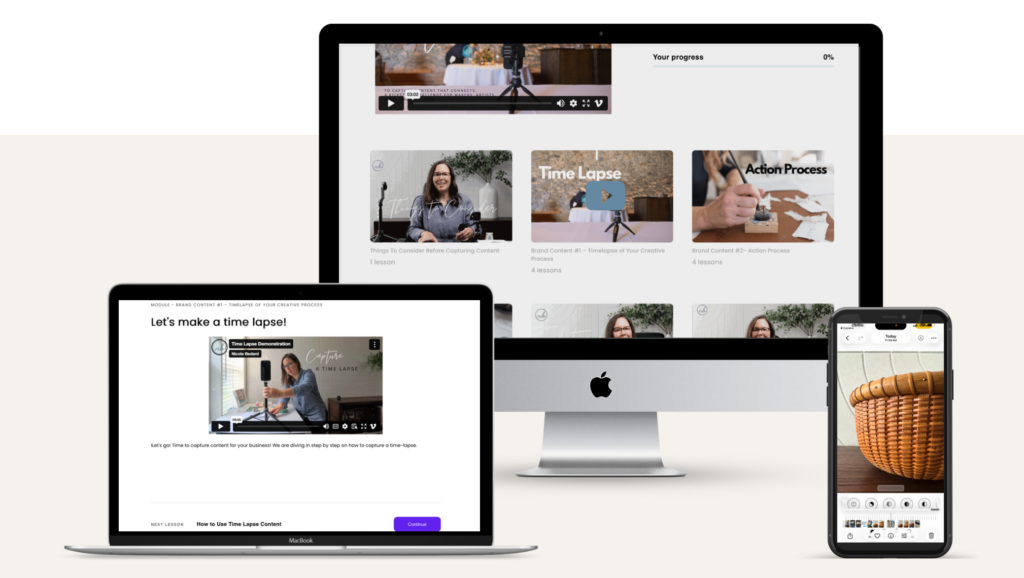
In this class, you’ll watch me setup, shoot, and edit three types of content all on my iphone, a mix of photo and video, so you can see exactly how to capture your everyday projects. Then you’ll learn how to repeat this process for any project, turning your creative work into a library of stories that connect with your audience.
No guesswork. No overthinking. Just a simple, repeatable system for capturing content that shows your process, your decisions, and your expertise.